



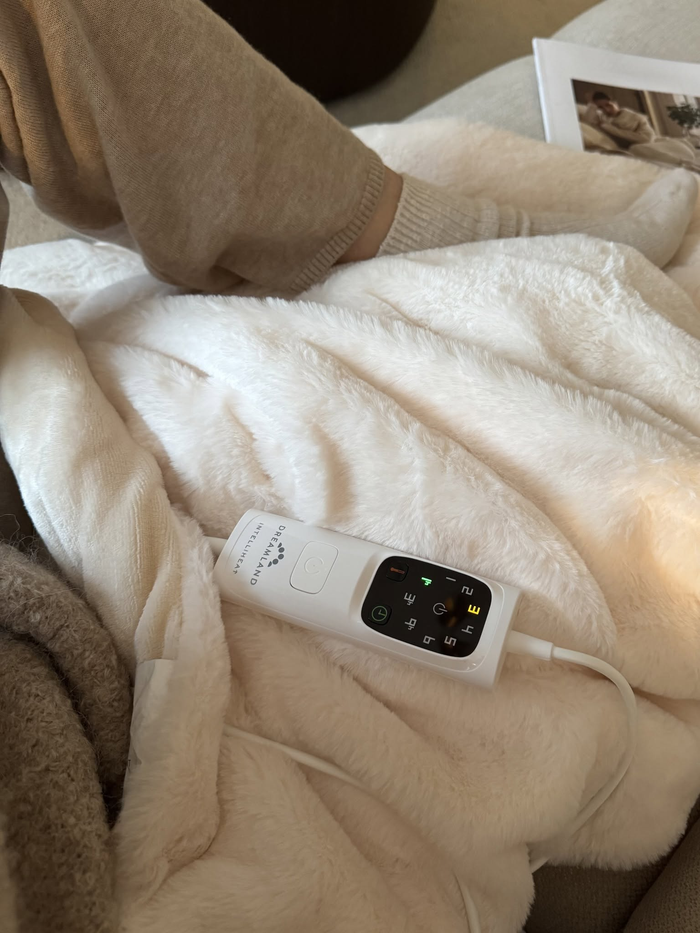






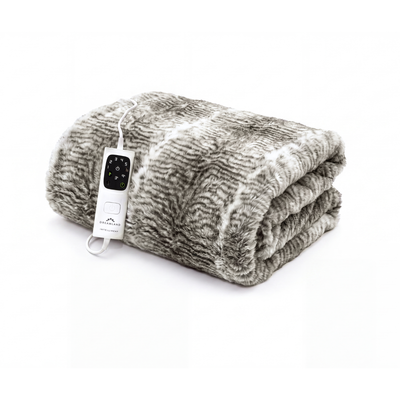
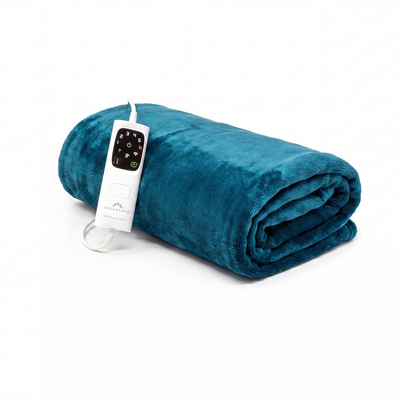

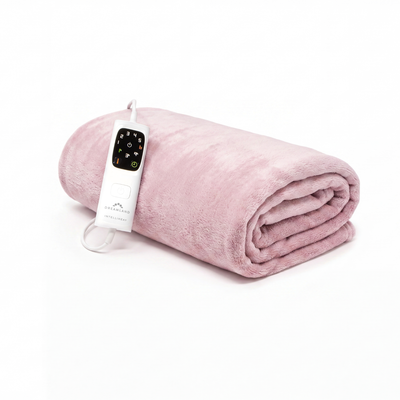

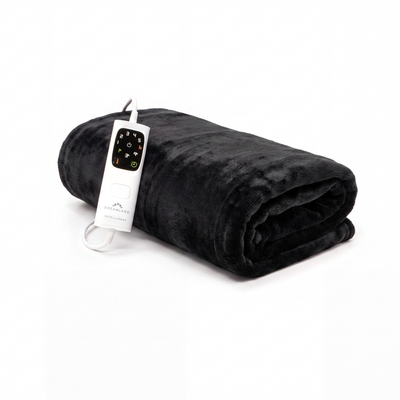

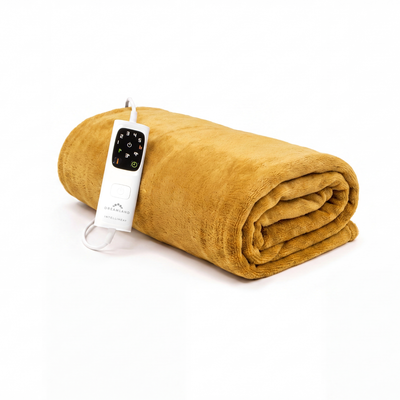

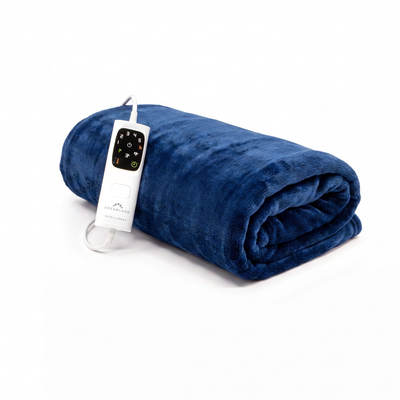

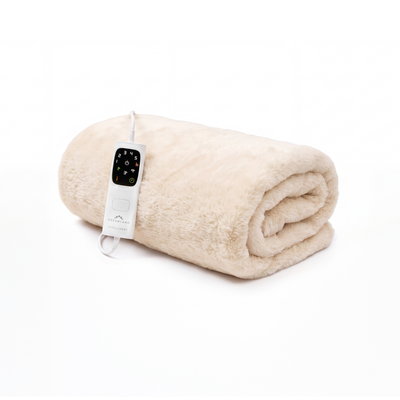


If you’ve ever cocooned yourself in a snuggly blanket and felt your entire mood lift, you’re not imagining it. Warmth and happiness are far more biologically intertwined than we might think. In fact, our instinct to get cosy when life overwhelms us is something humans have done for thousands of years, long before “self-care” became a clever marketing hook.
And now, with heated home tech becoming a normal part of modern living, getting warm isn’t just about surviving winter. It’s about creating comfort that improves your mood, connections and overall wellbeing. As it turns out, there are some surprising benefits that go far beyond just feeling toasty on the sofa when Bake Off is on.

Why Warmth Changes the Way We Feel
There’s a reason every culture has its version of cosiness. Denmark has its beloved hygge, Japan has kotatsu tables, and in the UK we have the simple, unbridled joy of making a brew and sticking the heating on. Warmth calms the body, softens the mind and creates an atmosphere where stress has a harder time getting its teeth in you.
In-house relationship therapist and comfort expert Georgina Vass from Dreamland UK explains that the environments we live in have a huge impact on how we feel, both individually and with others. As she puts it, “Cosy, temperature-regulated spaces can encourage relaxation, vulnerability, and connection. The more you feel at ease physically, the more open you can be emotionally. It’s biology.”
She’s right. Studies from Yale University show that physical warmth actually increases emotional warmth. When we’re warm, the parasympathetic nervous system takes over - that’s the network of nerves that regulate your resting state to promote energy conservation and recovery.
At the same time, your body releases oxytocin, sometimes called the love hormone, which helps us feel safe, bonded and connected.
So when you notice your jaw unclench the moment you tuck yourself under a heated throw, that’s not just indulgence - that’s chemistry doing its thing.

Cosiness as a Love Language
One of the most surprising warmth benefits is its power to bring people closer. We’ve all seen the Attenborough documentaries where penguins adorably huddle together in the snow, sharing heat to survive. Georgina half-jokes that penguins should represent “couple goals”. As she explains, “Humans might live indoors, but our relationships still depend on many of the same ingredients; safety, connection, and intimacy. In other words, cosiness isn't just cute. It's critical.”
In our chronically online culture, where time feels limited and everyone’s completely overstimulated, small rituals of warmth go a long way. Consider warming the bed for your partner before they climb in (a surprise hot water bottle in the bed mid-December is a legendary move), cancelling plans and sharing an XL heated throw to watch a film, or building your own version of a “Penguin Nest” for the weekend.
From smart mattress covers that adjust as you sleep, to throws made for two, warmth becomes both practical and symbolic. Georgina puts it nicely when she says, “These aren’t just convenience items. They’re tools for building a home where safety and intimacy can grow, and this physical warmth becomes symbolic of emotional care.”

Creating a Warm Space That Makes You Happier
So what does all this mean for everyday life? It means that choosing comfort is never frivolous. You have our permission to climb out of that ice bath now, and turn off the hustle bro podcasts in favour of some well-earned downtime.
It’s a practical way of boosting happiness, improving wellbeing and strengthening relationships. A cosy space helps regulate the nervous system. Cosiness slows your breathing, lowers tension and increases your sense of safety at home. It puts your natural ‘fight or flight’ response on snooze.
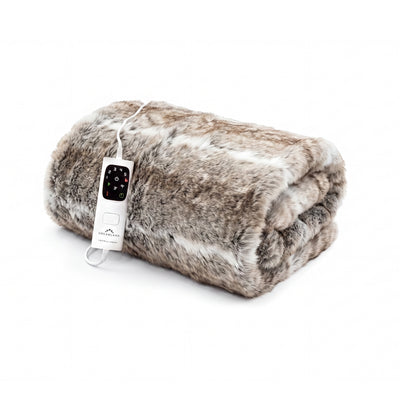
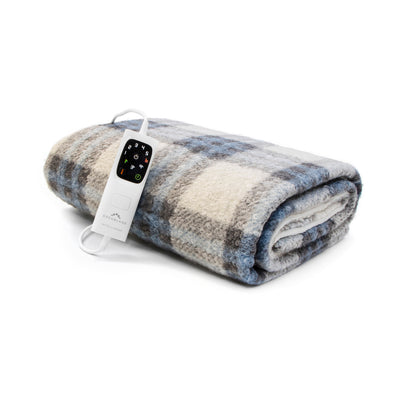
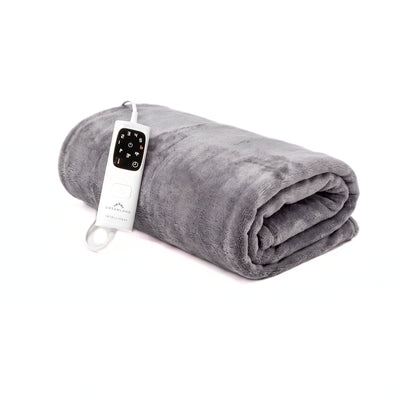
This is where heated blankets, warming throws and temperature-controlled bedding can genuinely make a difference. They turn comfort into something predictable and easy. You’re not waiting for the house to warm up (and feeling guilty about melting ice caps) or wrestling housemates for control of the thermostat. You simply wrap up, sink back and let the body do what it naturally wants to do when warmth is present: relax, restore and reconnect.
And although her advice centres on relationships, the warmth and happiness link applies just as much to solo living. Sharing a blanket with someone else can trigger connection, but so can curling up under one alone with your favourite box set, a book or a cosy video game. Warmth makes space for stillness; something most of us don’t get nearly enough of.

The Science of Cosy
We get it, you’re reading a blog written by a bunch of quirky marketers who peddle heated blankets for a living. Why would you trust us? The good news is, there are some stone-cold (blanket-warm?) facts from real scientific studies proving warmth and cosiness are legitimately beneficial to your wellbeing. Take it away, nerds:
-
A study found that when people’s internal body temperature is slightly warmer (in a non-fever range), they report greater feelings of social connection.
-
A Swiss study where people rated their mood multiple times a day found that higher daytime temperatures are associated with better mood.
-
A Cornell study showed that heart rate variability (a marker of stress) changes in different thermal environments, suggesting that being cold is not just unpleasant but detectable in the body’s stress system.

Cosy Home Hacks On a Budget
Here are some cheap/free tips to make your home that little bit more warm and cosy without having to spend money on soaring energy bills or fancy tech:
-
Put a rug or a big towel under your feet if your feet are stuck on cold flooring all day (especially if you work from home at a desk).
-
Wear fluffy slippers around the house - get them on your Christmas list, they’re game changers
-
Close doors to heat just one area of your house or flat
-
Open curtains for sunlight, shut them before dusk
-
Introduce warmer colours like red/orange throws, candles, lamp shades and cushions
-
Layer your clothing to trap body heat
-
Use a hot water bottle or a heat pad - and since the kettle’s boiled anyway, treat yourself to a cuppa
-
Use ‘warm white’ bulbs in your lamps and lighting - it makes a huge difference to the vibe
The Cosy Takeaway
If being warm makes life feel a little brighter, it’s because cosiness sits at the crossroads of physiology and psychology. Warmth benefits our mood, our relationships and our ability to feel grounded at home. It helps us regulate, connect and, quite simply, feel happier.
Cosiness isn’t a luxury. It’s a life-enhancing habit and an act of self-care. And when something so simple can boost comfort, connection and happiness all at once, it’s worth embracing wholeheartedly.
Viva team cosy!