











If you’ve tried everything from sleep tracking and white noise to magnesium sprays and weighted blankets, and you still wake up feeling like you’ve not slept a wink, you’re far from alone. Between stress, hormones and the general chaos of modern life, getting a truly restful night’s sleep feels harder than ever. Yet interestingly, one of the most effective ways to drift off might be something much simpler than you think.
Experts in sleep and cognitive behavioural therapy are pointing to temperature as a foundational part of good sleep that’s often overlooked.
“We think about food, light, mindfulness but forget the simple physics of comfort,” explains Dr Lee Valls, founder of The London Practice. “Temperature is the body’s permission slip to rest.”
This just makes sense. When you’re too hot, it’s harder to fall into deeper stages of sleep. Too cold and your body is kicked into survival mode, triggering tiny micro-awakenings that you might not remember, but definitely notice in the morning. Getting that ‘just right’ feeling makes it easier for your nervous system to settle down, and ultimately helps your brain and body follow the natural rhythms that support restorative sleep.
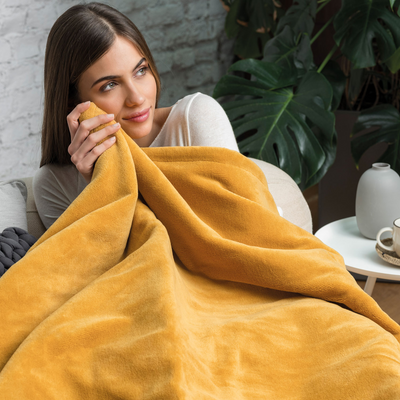
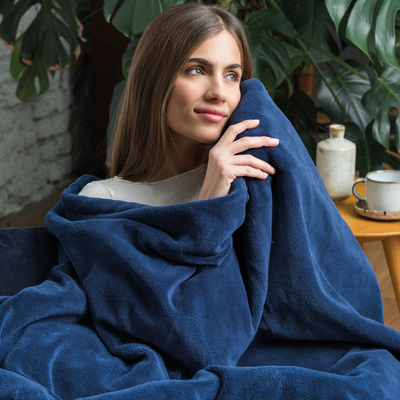
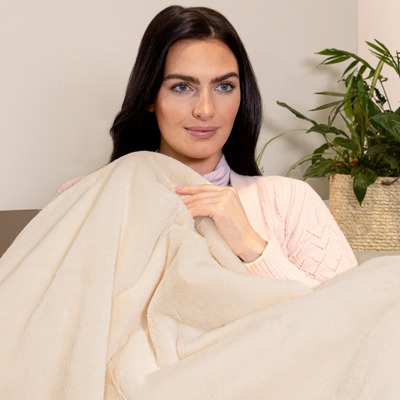
It’s no wonder that so many of us instinctively reach for a cosy blanket after a stressful day, or run a hot bath before bed. Warmth isn’t just comforting, it’s deeply rooted in how our nervous systems signal safety and calm.
What the Experts Say About Warmth and Sleep
We’ve all heard about the importance of cutting screen time or having a bedtime routine, but heat as a sleep strategy doesn’t get enough attention.
Dr Leslie Ricky, psychologist and insomnia specialist, says sleep problems are now widespread. “Sleep difficulties are one of the most common health complaints. Overstimulation, stress and the ‘always-on’ culture keep the mind alert long after the body wants to rest,” he says.
And stress isn’t the only culprit. There’s even a term for obsessively worrying about whether you slept enough: orthosomnia, essentially anxiety about sleep that makes sleep even harder to achieve. It’s a vicious circle a lot of us know all too well: lie awake worrying about missing out on sleep, and suddenly you really do. Oh the joys of a human brain.
That’s where physical comfort (particularly warmth) can play a surprisingly big role. According to Dr Valls, when your body is in a stable, comfortable temperature range, that simple physical state sends a calming message to your nervous system. “Warmth is one of our earliest experiences of safety,” he says. “It activates the parasympathetic nervous system, reducing cortisol and calming the mind.”
So what does this look like in real life?
Stable warmth doesn’t just help you fall asleep; it helps you stay in deeper, more restorative sleep through the night. For many people, that’s the difference between tossing and turning all night and actually getting some quality shut-eye.
This temperature-based approach can be particularly helpful for people navigating specific challenges:
-
Perimenopause and menopause – unpredictable hot flushes and chills can make night-time comfort feel impossible. Consistent warmth can help smooth out those thermal rollercoasters.
-
Anxiety and stress – if your mind goes into overdrive at night, warmth can help cue your nervous system to stand down.
-
Chronic pain or muscle tension – heat helps relax muscles and ease discomfort, which in turn supports deeper rest.
Making Warmth Work for Your Sleep (without the gimmicks)
Here are some gentle, expert-approved ideas that focus on comfort rather than gimmicks.
Think of Warmth as Comfort, Not Control
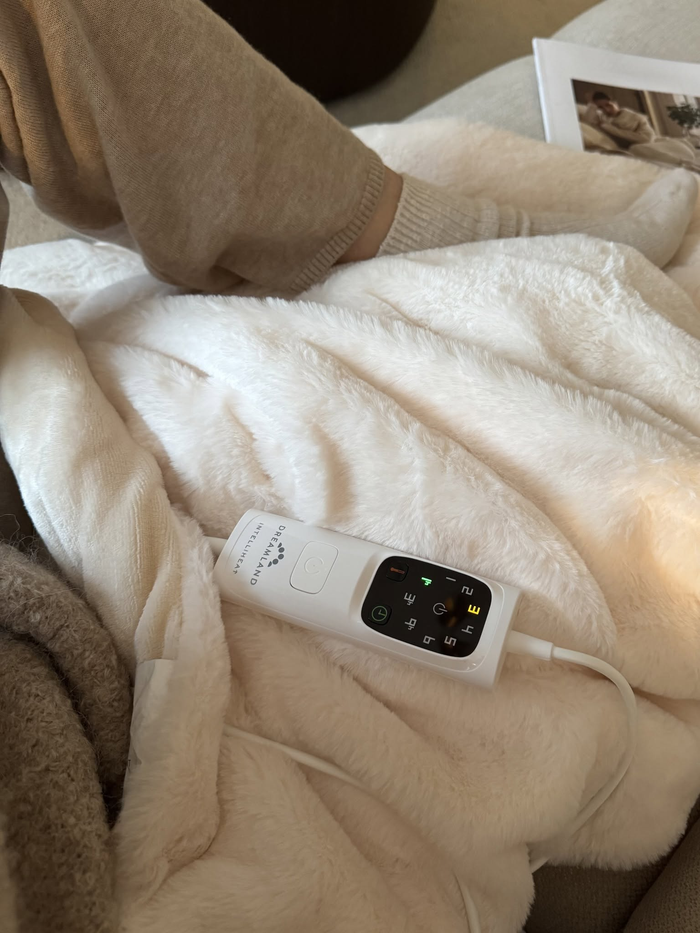
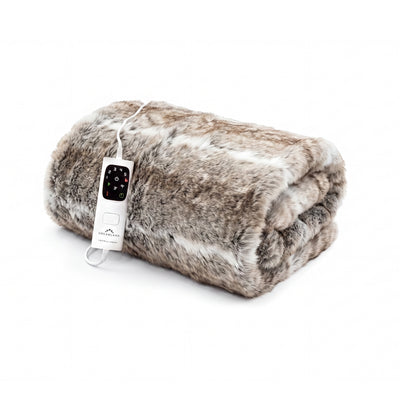
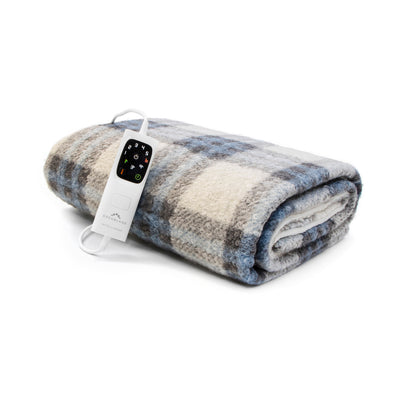
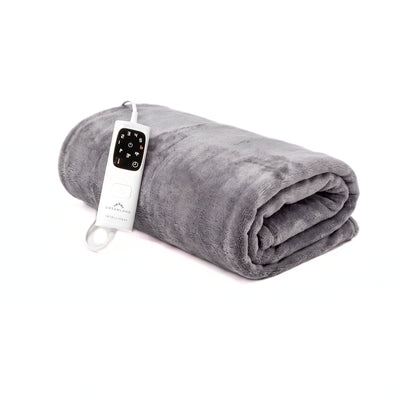
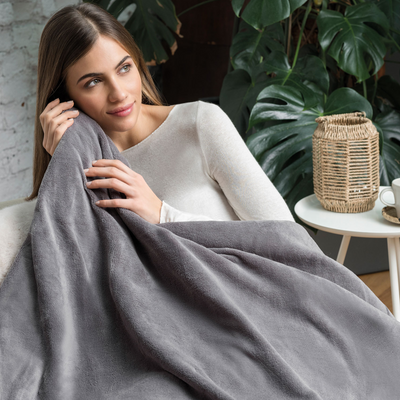
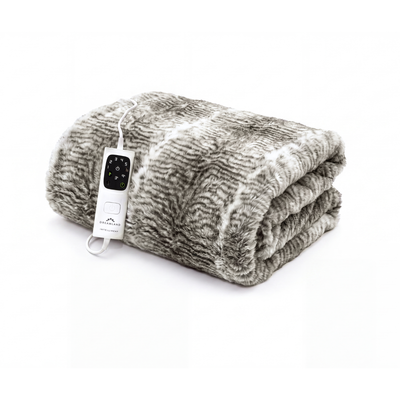
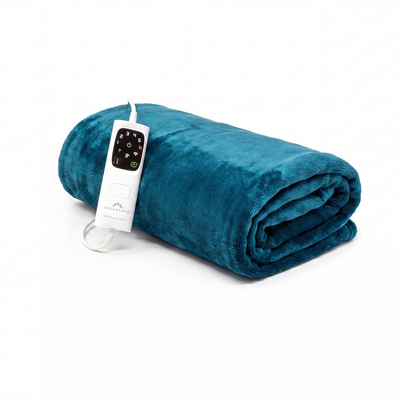
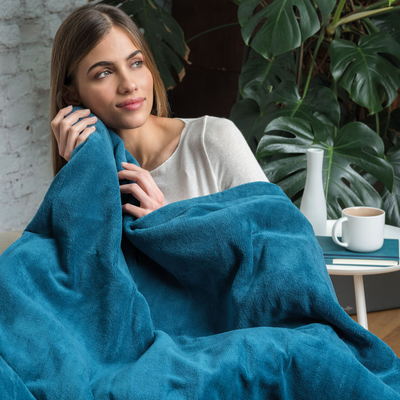
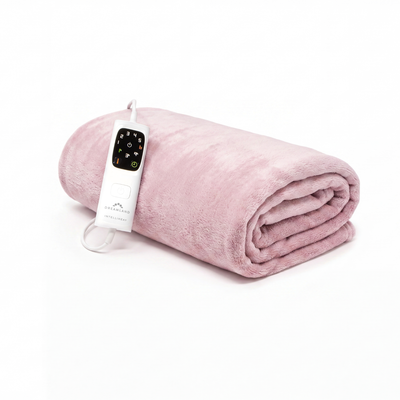
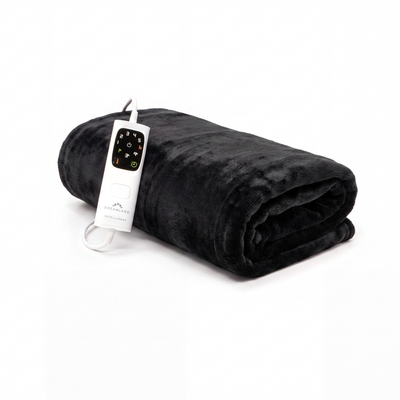
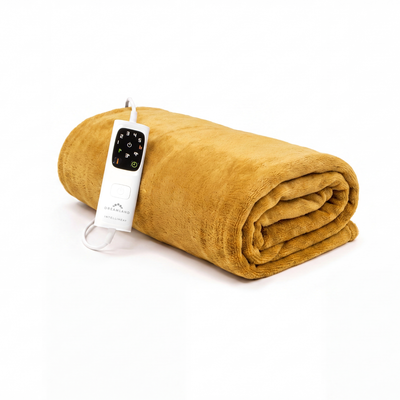
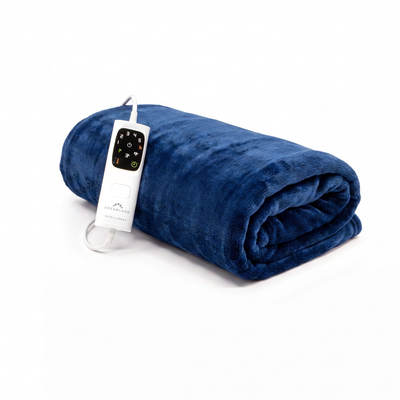
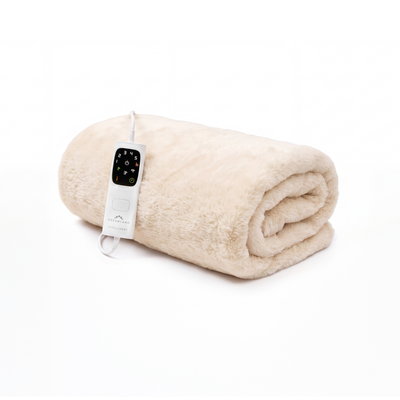
First: forget the idea that sleep can be ‘fixed’ with a one-size-fits-all hack or gadget. The real goal is creating a stable, calming environment that your body can trust. That might include breathable bedding that helps regulate temperature, or using an underblanket or heated throw in the colder months to keep your feet and legs comfortably warm as you settle down.
Foot warmth actually plays an interesting role in sleep onset. Because your body communicates temperature changes through extremities like hands and feet, warming them before bedtime can help kickstart the natural processes your body uses to fall asleep.
Set the Scene (Without Stressing About It)
Room temperature matters. Most sleep experts agree that somewhere around 18°C is ideal for falling and staying asleep, cool enough to avoid overheating, but warm enough that your body doesn’t need to expend energy just staying warm. Just remember that the 15 tog duvet you’re nestled under will also impact how toastie you’ll be, too.
Dim the lights in the hour or two before bed, and put your phone out of reach so that bright screens aren’t sending mixed signals to your brain. Instead of trying to force sleep, make space to unwind. Simple habits like reading a few pages of a book, gentle stretching or sipping a warm (non-caffeinated) drink signal to your nervous system that it’s time to relax.

Keep your phone out of reach - using backlit screens before bed can disturb your sleep
Build Rhythms Your Body Can Trust
We humans are creatures of rhythm. Regular wake-up times (even on weekends) and exposure to morning daylight help anchor your internal clock. Over time, this makes it easier for your body to predict when to wind down at night.
And remember: consistency beats perfection. You don’t need a perfect routine to sleep well, just a series of small, repeatable habits that cue your body and mind that bedtime is coming.
When to Bring in the Tech
Sleep tech has definitely entered the mainstream in recent years, but before you go out and drop half a month’s wages on a watch that claims a daily report of your REM patterns will help you achieve nirvana, there might be better ways to fine-tune your sleep.
Both of the experts we spoke to agreed that we’re moving into the era of bioadaptive design; where sleep tech doesn’t just track what went wrong overnight, but actively starts adapting to you, rather than the other way round.
That’s where smart heated bedding comes into its own. Options like heated underblankets and mattress protectors with intelligent temperature control gently monitor and adjust warmth through the night, helping to keep your body in that ‘just right’ comfort zone for deeper, more settled sleep.
At Dreamland, we call it Intelliheat.

Intelliheat technology keeps an eye on both your body temperature and the temperature of the room, gently adjusting the warmth, so your bed stays at the level you’ve chosen on the controller. It continues to fine-tune itself throughout the night, so you stay comfortable without having to think about it.
(Many modern products also come with dual-zone controls for couples, so if one of you runs hot and the other is always cold, no one has to lie there melting in a pool of sweaty resentment).
As Dr Valls puts it, this is a shift from passive sleep care to active sleep support; not just measuring your sleep, but improving it in real time.
And when better sleep can start with something as simple as getting and staying warm, it’s a small change that can make a surprisingly big difference to how you feel the next day.
Sleep and Temperature FAQs
Here are some of the more common questions our experts hear about the relationship between sleep and temperature.
What is the ideal bedroom temperature for sleep?
The optimal bedroom temperature for most adults is a cool environment around 15–19°C (60–67°F), with many experts citing ~18°C (65°F) as a good starting point.
How does temperature affect sleep quality?
Room temperature influences your body’s sleep-wake cycle. If a bedroom is too warm or too cold, your body struggles to regulate heat, which can lead to restlessness, more wakeups and reduced deep sleep.
Can the best sleep temperature vary between people?
Yes, individual needs vary. While most adults sleep well between 15–19°C (60–67°F), personal comfort, bedding choices, age, and health might mean a slightly warmer or cooler room works better.