




Heating pads are a winter essential. Bridging the gap between cosy warmth and therapeutic relief, they can help ease tension and stiffness while keeping you snug. But with rising energy prices, it’s worth asking, how much electricity do they really use?
What are Heating Pads?
Heating pads are designed to generate and deliver warmth, primarily for therapeutic purposes, but also to provide everyday comfort. They usually consist of a soft fabric cover with an internal heating element powered by electricity, or in some cases, by chemical reactions in disposable versions.
Commonly used to soothe muscle aches, reduce stiffness, and promote relaxation, heat pads are ideal for targeted areas like the neck, back, shoulders, or abdomen. Many models also include adjustable temperature settings, allowing users to tailor the experience to their needs.
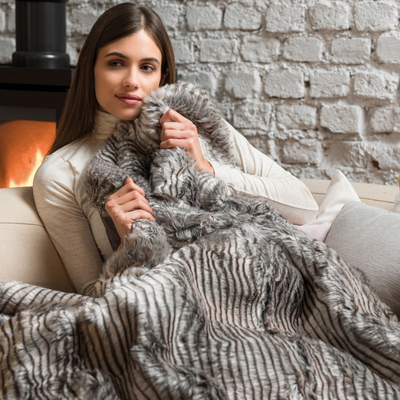
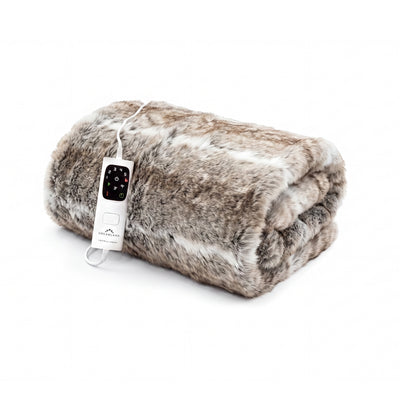
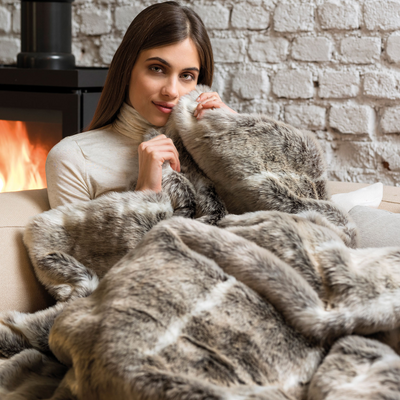
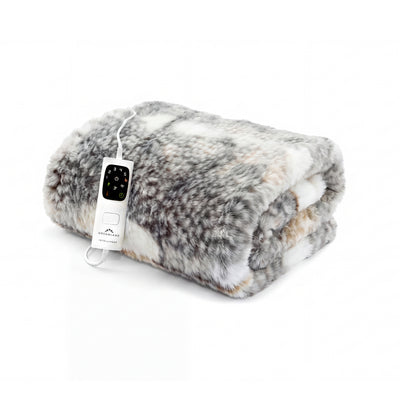
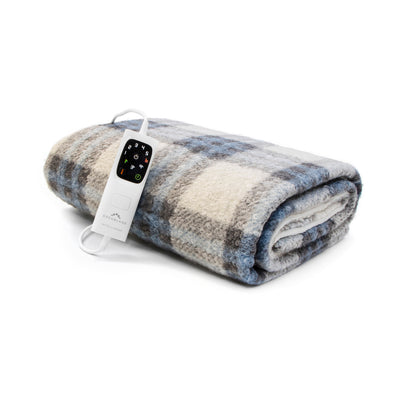
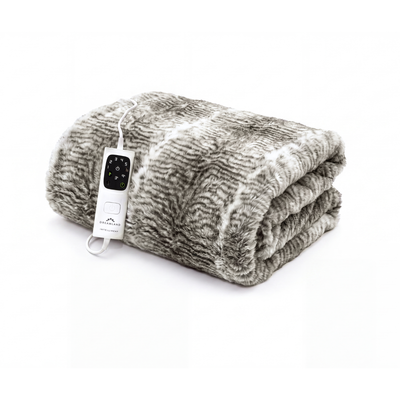
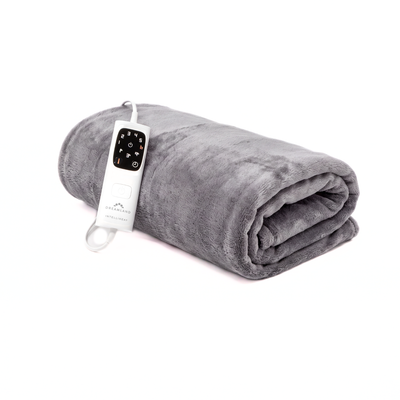
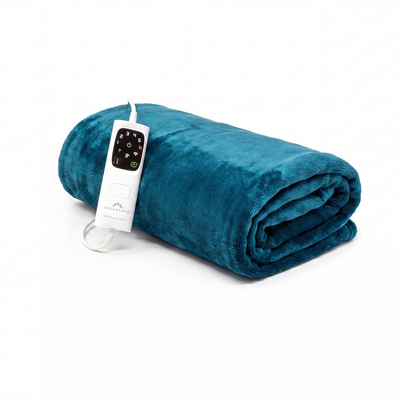
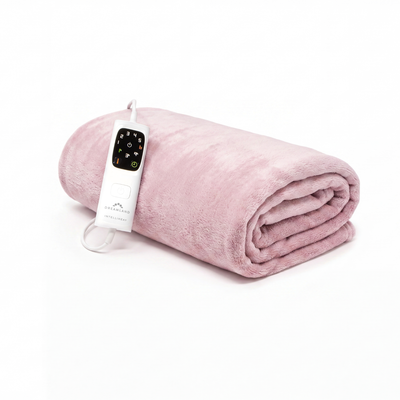
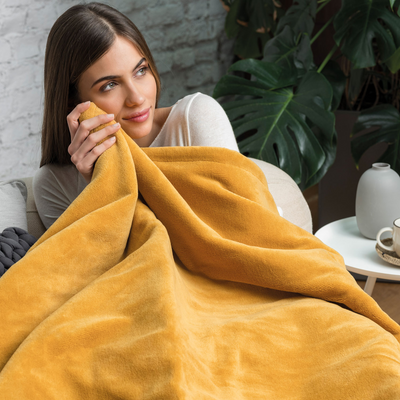
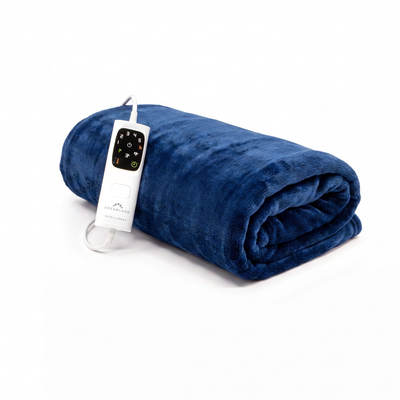
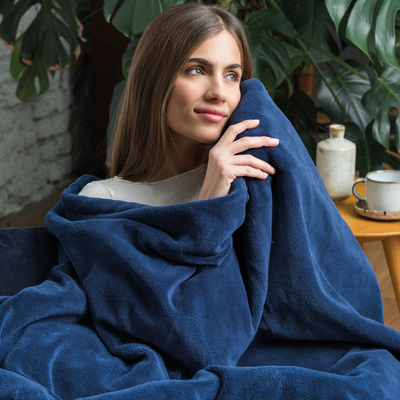
Heating pads come in various shapes and sizes, including microwavable packs, electric blankets, and wrap-around styles. Making them versatile companions for both comfort and recovery.
Understanding Heating Pad Wattage
Heating pads typically consume between 20 and 250 watts, depending on their size and temperature setting. Watts indicate how much energy a device uses per hour, so the higher the wattage, the more electricity consumed.
Lower settings can use as little as 20W, while larger or more intensive pads may run at 150W or higher. If you're trying to keep energy usage low, opting for a pad with variable heat control can help you find a balance between comfort and efficiency.
Types of Heating Pads and Their Energy Use
-
Electric Heating Pads - The most common type. These are powered by mains electricity and usually consume 50 - 150W depending on their settings. Many models offer multiple heat levels and automatic shut-off features for safety and energy efficiency.
-
Infrared Heating Pads - These use infrared technology to penetrate heat deeper into muscle tissue. While they may use slightly more energy, they can be more effective for certain types of discomfort.
-
Moist Heating Pads - Combining heat and moisture, these pads offer enhanced relief for joint stiffness and chronic pain. They may consume more power but are valued for their therapeutic benefits.
-
Microwaveable Heating Pads - These don’t require electricity during use, but do need to be warmed in a microwave. They are often more energy-efficient overall, though the heat tends not to last as long.
What Influences Energy Consumption?
-
Size and Settings - Larger pads, such as blanket style models, require more energy due to their surface area. Smaller pads, by contrast, often consume as little as 20 - 70W. Keep in mind that higher temperature settings increase energy draw.
-
Duration of Use - Longer sessions will naturally use more electricity. However, many pads consume more power during the initial heating phase and then reduce their usage once the target temperature is reached. Always check the manufacturer's specifications.
-
Thermostat Controls and Efficiency - Models with built-in thermostats adjust their output to maintain consistent warmth, helping to reduce overall consumption and lower heating bills. Automatic shut-off functions also prevent unnecessary energy use and overheating.
Heating Pads vs. Other Household Appliances
Heating pads are among the more energy-efficient household devices, especially when compared with appliances that heat entire spaces.
To put this into context:
-
Laptop: 20-100w
-
Fridge: 100-800W
-
Space Heater: 750-1,500+W
Unlike space heaters, heating pads deliver localised warmth, targeting the body directly rather than attempting to warm the entire room.
Calculating the Real Cost:
Costs can vary by model, size, and duration of use. Here’s an example using the Dreamland Heat pad for Neck & Shoulders and the Ofgem electricity price cap (valid from 1st July to 30th September 2025).
-
Device Power = 110W (0.11kW)
-
Price per kW = 25.73p
Cost to run the heat pad for 1 hour = 0.11kW x 25.73p = 2.83p
So, for under 3p an hour, you can enjoy targeted warmth and comfort!
Energy-Saving Tips for Heating Pad Users
-
Use a Timer - A timer helps prevent the pad from running longer than necessary. Ideal for evening use, offering peace of mind and energy savings.
-
Lower the Temperature - Using a lower heat setting can still provide effective relief while reducing electricity use.
-
Unplug When Not in Use - Many devices draw a small amount of power even when switched off. Unplugging your pad ensures no energy is wasted on standby.
How Can Dreamland Help?
If you're looking for ways to stay warm without driving up your energy bills, Dreamland offers a range of energy-efficient electric heating pads designed with both comfort and cost in mind.
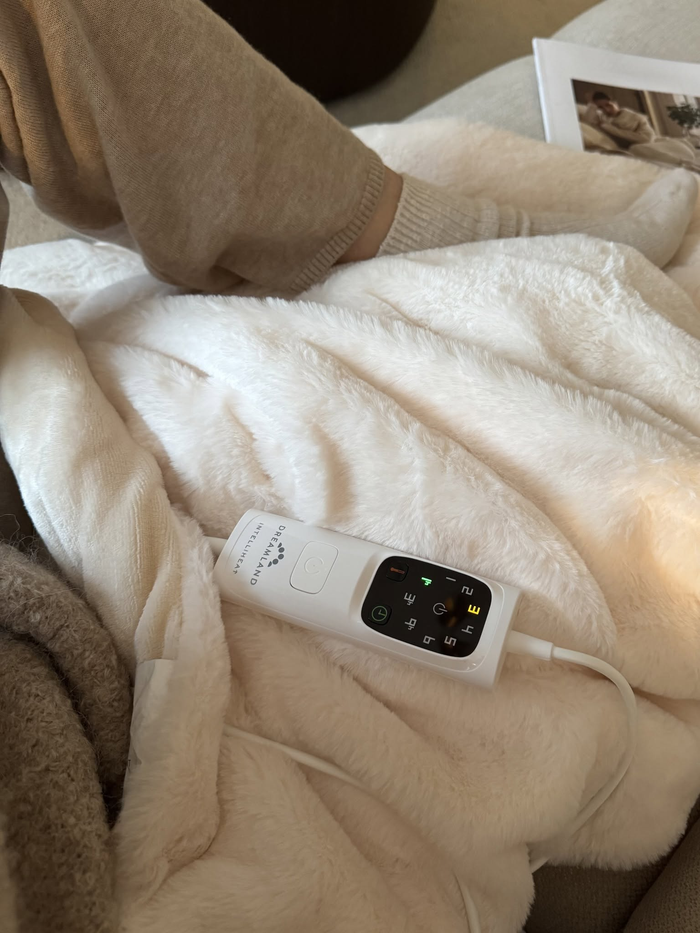
With features like Intelliheat™ technology, auto shut-off timers, and multiple heat settings, Dreamland’s heat pads deliver targeted warmth while using minimal electricity. With some models costing as little as 1p to run per hour. Whether you're easing muscle tension, staying cosy through the colder months, or simply looking for a more efficient alternative to central heating, Dreamland has a solution to suit your needs.
FAQS
Safety First: Is It Okay to Sleep With a Heating Pad On?
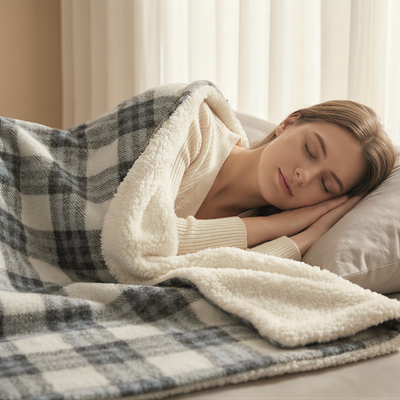
We do not recommend sleeping with an active heating pad. There is a risk of burns, overheating, and in rare cases, fire hazards. Those with reduced sensitivity are especially at risk, so it's important to always use heating pads with caution and never overnight unless specifically designed for it.
How long can I safely use a heating pad?
For general use, it’s best to limit sessions to 15-20 minutes at a time, especially at higher temperatures. For lower settings or pads with built-in safety timers, longer sessions may be fine, but always follow the manufacturer’s guidance.
Can I use a heating pad every day?
Yes, daily use is generally safe, especially for chronic aches or tension. Just make sure to give your skin a break between sessions, and never apply heat to broken or irritated skin.
Are heating pads safe for children or the elderly?
Heating pads can be used safely by older adults and children under supervision, especially with low temperature settings and automatic shut-off features. Always test the heat level on yourself first to avoid discomfort or burns.