
















With life feeling busier than ever, switching off after a stressful day can be easier said than done. If you find yourself lying awake worrying instead of drifting off, you’re not alone.
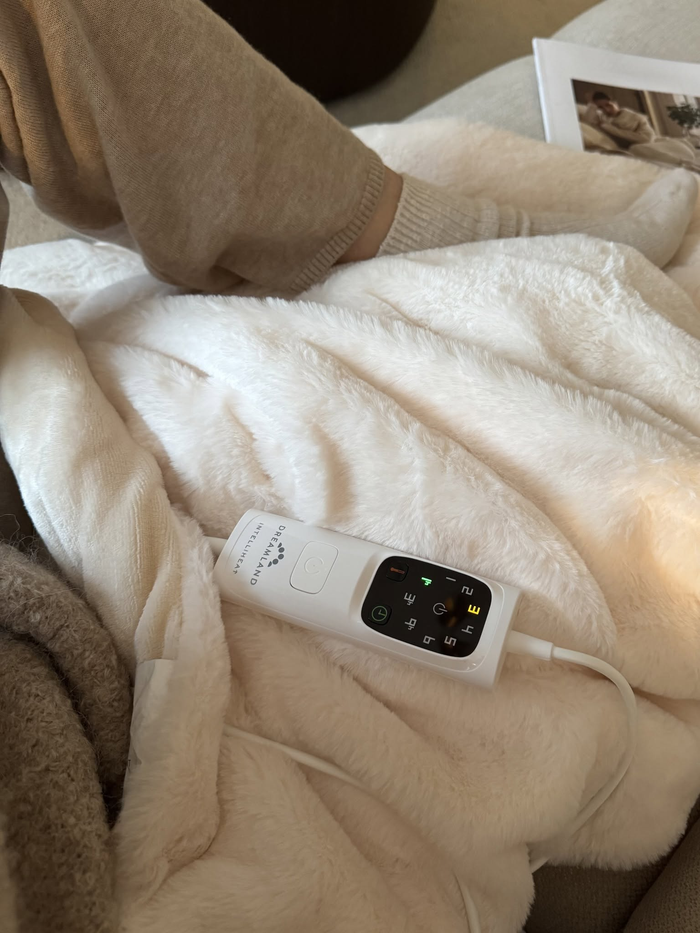
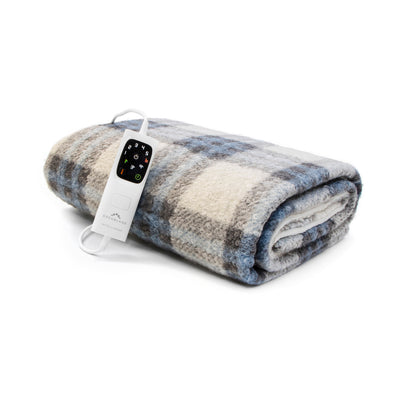
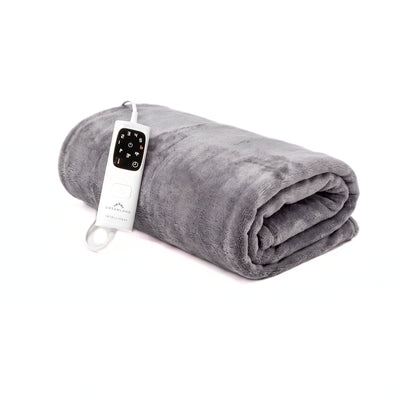
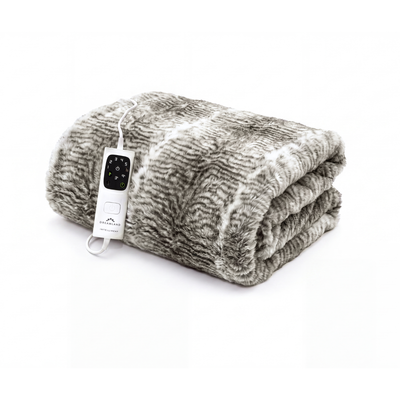
At Dreamland, we believe bedtime should be the cosiest part of your day. Reaching for a good book, a warm cuppa, and your favourite heated blanket are simple luxuries anyone can enjoy.
Below, we’ve shared our favourite relaxing things to do before bed. Plus, our tips on how to build an easy wind-down routine that helps you slow down, warm up, and sleep better.
Look out for new expert sleep tips from two Psychologists at The London Practice.
Jump to a section:
- How can a wind-down routine help sleep?
- 5 common habits to avoid before bed
- 9 relaxing things to do before bed
- How to stick to your wind-down routine
How can a wind-down routine help sleep?
A wind-down routine can help your body and mind recover from the day’s stress, ready for sleep. By repeating a sequence of relaxing activities, you’re telling your body it’s time to rest.
Your wind-down routine might include having a bath, listening to your favourite album, or practising a luxurious skincare routine. Whatever makes you feel relaxed and distracts you from your worries. Over time, these small rituals can help you unwind at the end of the day.
And with better sleep, you’ll feel more refreshed and ready to take on whatever life brings.
5 common habits to avoid before bed
First, here are a few things to avoid before bed if you want to get a peaceful night’s sleep.
-
Doomscrolling: Please, put your phone down an hour before bedtime. Endless feeds keep your brain switched on. Make your bedroom a blissful, blue light-free zone.
-
Caffeine and sugar: Save that espresso for when you need the energy. Switch to decaf brews in the evenings, and avoid snacks that give you a sugar rush.
-
Anything work-related: No peeking at emails after you clock off - especially before bed. If work worries are keeping you awake, jot them down to think about tomorrow.
-
Bright light/noise/tech: Soft, warm lighting helps signal that it’s time to wind down. Avoid bingeing TV and keep your bedroom a quiet, tech-free space if possible.
-
Intense exercise: We admire your dedication, but that marathon training can wait. Stick to gentle moves like yoga or stretches if you’re planning to sleep soon.
Psychologist and CBTi specialist, Dr Leslie Ricky at The London Practice says we’re dealing with a perfect storm.
He comments: “Sleep difficulties are now one of the most common health complaints. Overstimulation, stress and the ‘always-on’ culture keep the mind alert long after the body wants to rest.”

9 relaxing things to do before bed
Here are nine of our favourite things to do before bed - little rituals to help you de-stress, unwind, and drift off more easily. Try a few to see which fit your wind-down routine.
Create a calm space
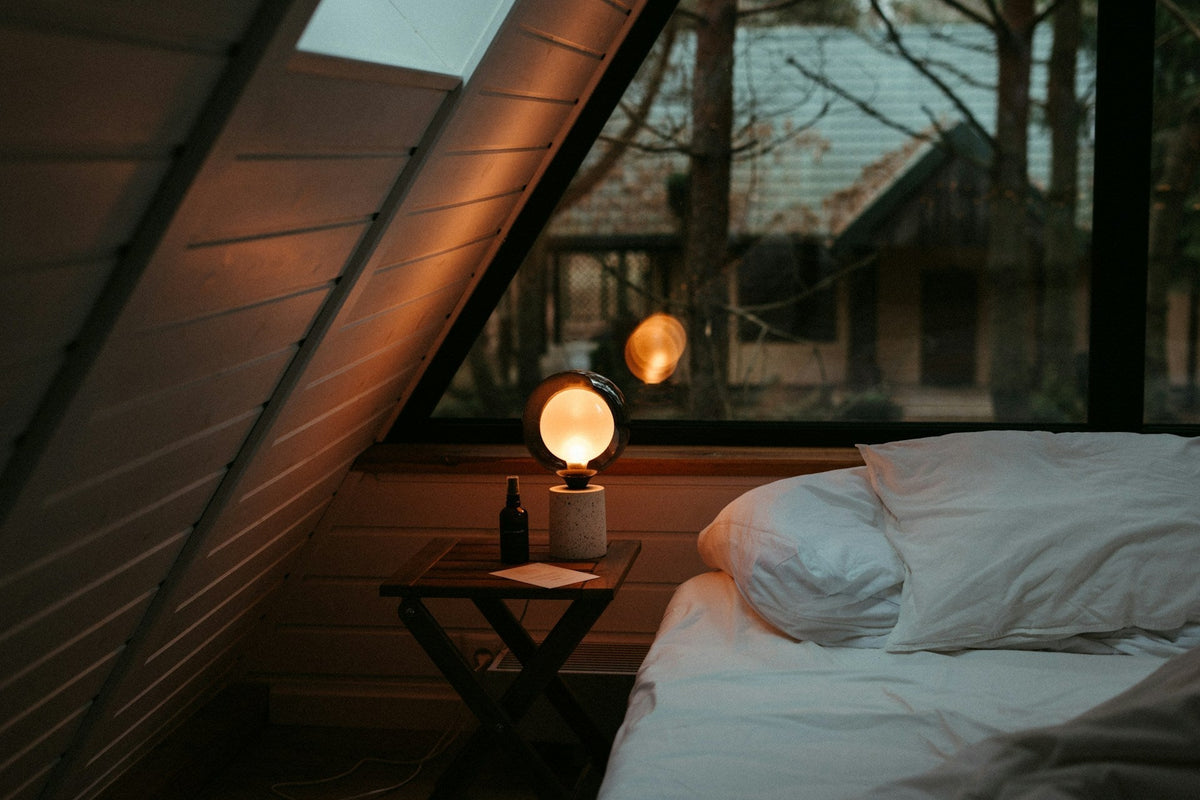
Create a cosy, quiet, and dimly-lit bedroom - the perfect environment for falling asleep. Ideally, your bedroom should only be for bed, so hide anything that reminds you of work or stress.
Clean and comfortable bedding, calming decor and uncluttered surfaces help you feel relaxed enough to wind down and rest. Fairy lights and pillow spray? We love to see it. Temperature plays a role in falling asleep, too. If you’re too hot or too cold, you’ll find it hard to drift off.
Founder of The London Practice and Psychologist, Dr Lee Valls, calls temperature ‘the forgotten pillar’ of good sleep. He says: “We think about food, light, mindfulness but forget the simple physics of comfort. Temperature is the body’s permission slip to rest.”
“When we’re too warm, we can’t fall into deep, restorative slow-wave sleep. When we’re too cold, the body activates heat-preserving responses, tiny micro-awakenings you might not remember, but definitely feel the next day."
Read our hacks for how to get warm in bed quickly to ensure you’re not too chilly to chill.
Do some gentle exercise
You don’t need to be a yoga master to reap the benefits of a Big Stretch before bed.
We love this easy Bedtime Yoga Practice from Yoga With Adriene to release tension and prepare for a good night’s sleep. Work it into your wind-down routine an hour before bed.
If you’re not keen on yoga, doing some basic stretches or even a slow dance can help too.
You can also try out Progressive Muscle Relaxation, a trusted technique of tensing and relaxing groups of muscles to help reduce anxiety and improve your quality of sleep.
Sip a warm, milky drink
No ritual tells your body it’s time for bed like a bedtime drink. Stick to caffeine-free herbal teas with sleep-friendly ingredients like chamomile and lavender, or relax with a sugar-free cocoa.
If you’re feeling retro, milky drinks like Horlicks and Ovaltine work wonders for some.
Our office colleagues also swear by valerian tea, which is promoted as a sleep aid and anxiety reliever. Some studies also suggest that magnesium can help regulate energy levels.
Read or listen to a book
We know you’re itching to look at your phone, but a physical book is so much better for sleep.
Distracting yourself with cosy fiction (or even something you find a little yawn-inducing) can help quiet racing thoughts before bed. Put down the true crime unless you want nightmares.
Low lights and your fave blankie can make curling up with a book even more relaxing.

Enjoy a bath bomb
Did you know a drop in temperature - such as when you get out of a long, hot bath - helps your body know it’s time for sleep? Not only is a bath a lovely self-care routine (LUSH bath bomb, candles and fluffy slippers optional), it relaxes your muscles to help you wind down.
If you don’t have a bath, a warm shower triggers the same warm-up, cool-down sleepiness.
Dr Valls from The London Practice says: “Warmth is one of our earliest experiences of safety. It activates the parasympathetic nervous system, reducing cortisol and calming the mind.”
“It’s why we instinctively wrap ourselves in a blanket after a stressful day, or run a hot bath when life feels too much. In a world that demands emotional labour from women at every turn, that is no small thing.”
Try deep breathing
Deep breathing is one of the easiest ways to wind down. All you need is a pair of lungs!
Press pause on the day and relax your nervous system with one of the Sleep Foundation’s breathing exercises for sleep. The classic 4-7-8 technique is particularly effective:
-
Find a comfortable position in bed
-
Inhale through the nose for 4 seconds
-
Hold your breath for 7 seconds
-
Exhale through the mouth for 8 seconds
-
Repeat several times, if comfortable
Or you may want to find your own pattern (in through the nose, out through the mouth).
Write down your worries
If you’re in bed replaying that mean thing someone said to you earlier in the day, we get it. However, we want you to get a good night’s sleep. Write it all down to tackle tomorrow.
Keeping a notepad by your bed gives you space for your thoughts, however messy they are.
Or empty your head before it hits the pillow, by writing a to-do list for the day ahead. Writing down the things you’re grateful for can also be a game-changer for your state of mind.
Cuddle a partner or pet
Cuddling a partner or pet can help boost ‘the love hormone’ oxytocin and reduce stress.
Sharing warmth under a blanket is comforting, helping you wind down and feel safe enough for sleep. Just remember to discuss your wind-down routines together, so you’re in sync.
Do a sleep meditation
Clearing your head of thoughts with a sleep meditation is a great final step to your routine. Meditation may seem tricky at first, but it can be a reliable way to relax and let go of stress.
There are endless apps, YouTube videos and audio recordings to get you started:
-
Headspace and Calm offer hundreds of guided meditations and ‘sleep stories’
-
YouTube’s free Guided Meditation for Sleep has a whopping 16 million views
-
If you just want to listen, Spotify has a playlist of 25 guided sleep meditations
Expect relaxing visualisations, deep breathing (like we covered earlier), and some of the most sleep-inducing bedtime stories you’ll ever listen to. All to help you fall asleep more easily.
You’ve probably spotted it, but there’s an irony in suggesting apps and begging you not to use your phone in bed. Try to avoid screens by using wireless headphones or a smart speaker, setting up a timer on your phone, or going tech-free by focusing on a thought or counting.
However you wind down, the key is consistency. Over time, these simple rituals signal to your body that it’s time to rest – helping you sleep more easily and wake feeling refreshed.

How to stick to your wind-down routine
Sticking to a wind-down routine is a commitment, but your sleep and well-being are worth it!
We know finding time for yourself isn’t easy. The latest Netflix series, social media and local nightlife are all trying to keep you busy. We say it’s time to embrace the Joy of Missing Out.
Here’s how to build a healthy, repeatable habit of doing a few relaxing things before bed:
-
Build a routine you can stick to: We’d love to repeat a 3-hour routine of tidying, yoga, reading, bathing, journaling and meditating. What can you do most nights?
-
Choose a time and set a reminder: Pick a realistic time each evening to begin winding down - ideally an hour or two before bed. Coax yourself with a soft alarm.
-
Stay consistent to build a habit: Try to do your routine in the same order each night so it becomes second nature. Start slow; it should feel relaxing, not an extra chore.
-
Protect your daily wind-down time: This is your self-care ‘me time’. Tell anyone you live with what you’re doing and why, so they know to give you peace and space.
The key step to building a sleep routine is choosing things that you personally find relaxing and enjoyable. Not keen on meditation and yoga? Don’t force yourself to do them every night.
Lastly, if you skip a night, don’t stress. Some nights you’ll drift off, routine or no routine.
FAQs
What if I can’t relax enough to fall asleep?
If you can’t relax enough to fall asleep, first, put your phone away. Try a calming wind-down routine of things you find relaxing, such as reading, having a warm bath, or deep breathing, before you try to sleep. You may also want to address any potential issues with your GP, to rule out and address any underlying problems like insomnia, anxiety or chronic pain.
How long should you relax before going to bed?
You should relax for at least 30 minutes to an hour before going to bed, depending on your lifestyle and commitments. Even a short wind-down routine can help you switch off, and it can help to stop doing stressful or work-related activities at least a couple of hours before bed.
What’s the best temperature for sleep?
The best room temperature for sleep is a little cool, at around 16-18°C. Going from a warm bath to a cool bedroom can help signal to your body it’s time to rest. Using breathable bedding and sleepwear, or an underblanket with Intelliheat, can help you regulate your temperature.
Why is it important to relax before bedtime?
It’s important to relax before bedtime, because it helps your heart rate, breathing, and thoughts slow down - all key signals that tell your body it’s time to sleep. A calm bedtime routine can also reduce stress and help you fall asleep faster, leaving you refreshed for the day ahead.
What is the 3:2:1 rule before going to bed?
The 3:2:1 rule before going to bed is a simple sleep routine: stop eating three hours before bed, stop drinking water two hours before, and stop using screens one hour before sleep. It helps prevent digestion issues, nighttime trips to the loo, and blue-light sleep disruption.